
10,000 litres from a river: what a water system actually involves
A river on your boundary is not a water supply. It is a raw material. Here is what sits between the two — intake, crossing, settlement, filtration, storage — and where people get it wrong.
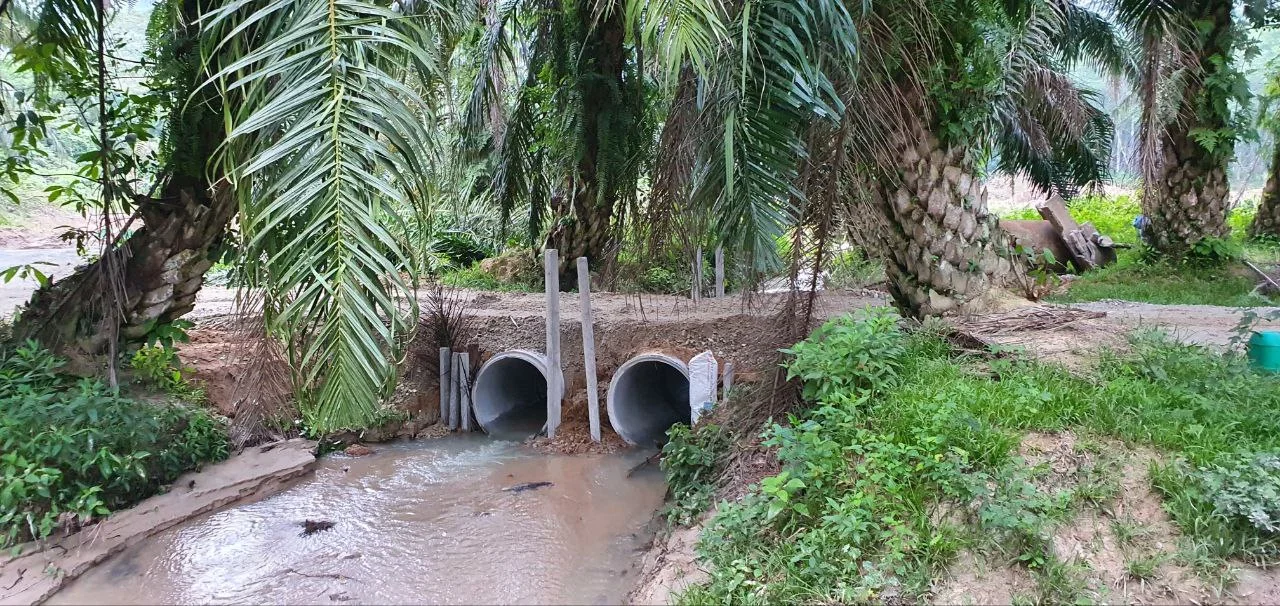
When people tell us their plot has a river, they usually mean the water problem is solved. It is closer to the truth to say the water problem is affordable. Rain catchment in the tropics is generous but seasonal; a river runs through the dry weeks too. What a river adds is not free water — it is reliability. What it costs is engineering.
The intake is the part everyone underbuilds
A pipe dropped into a stream will block, silt up or wash away, usually all three within a season. What works is a small settlement structure set back from the main flow, screened, and positioned so that flood water goes past it rather than through it. You are trying to take the top of the water column, not the bottom.
Then you need to get that pipe to the house without burying it under the one part of the site that moves. Ours runs alongside the culverted crossing, in a channel we can open with a shovel rather than an excavator. Anything you cannot inspect, you cannot maintain.
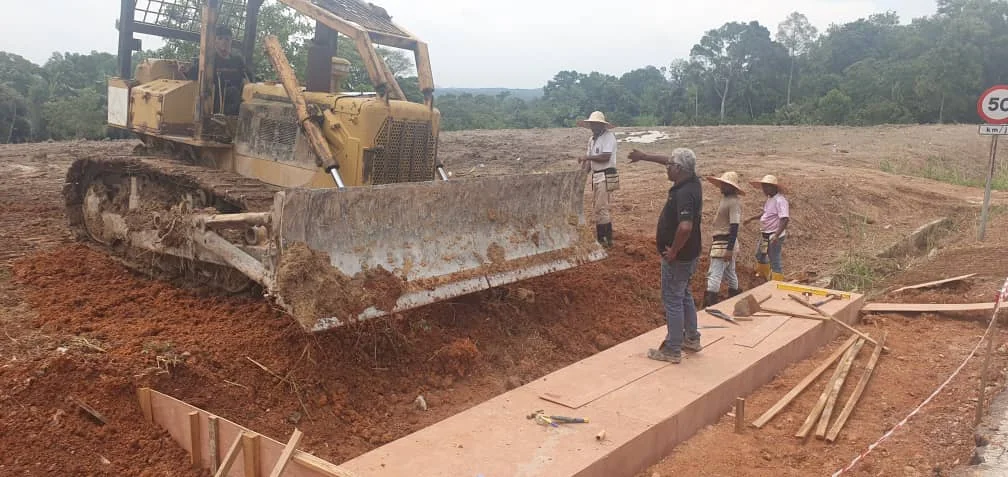
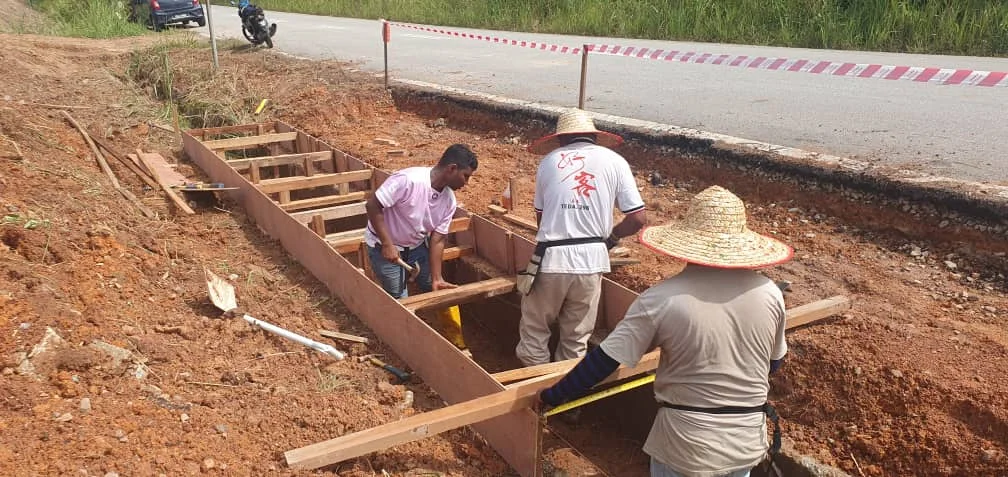
Three tanks, three jobs
Ten thousand litres is not one tank. It is a settlement tank where sediment drops out, a bulk store that carries the household through a dirty river week, and a header tank high enough to give usable pressure without running the pump every time someone opens a tap.
Filtration then happens in stages: coarse screen, sediment, carbon, and UV or boiling for anything that will be drunk. Nobody should be pushing river water straight through a single cartridge filter and calling it potable.
Size storage for the days you cannot draw, not the days you can. Turbidity after a storm is what empties tanks, not drought.
What we check before promising anyone a river supply
Who is upstream. Plantations, livestock and settlements all end up in your intake. This is a map exercise, not a taste test.
Dry-season flow, not today's flow. Ask neighbours what the stream looks like in the driest month they remember.
Flood height. Debris lines in the trees tell you where not to put a pump, a tank or a bedroom.
Fall from intake to tank. Every metre of gravity you can find is a pump you never have to power or replace.
Rain catchment still earns its place alongside all of this — roof water is cleaner and costs nothing to move. The point is not river versus rain. It is that one source is never a system.
For how this fitted into the wider programme, see five months from palm scrub to livable.
Not sure what your land can actually supply?
Water is the first thing we assess and the most common reason we advise people against a plot. Better to know now.
Book a consultation