
Five months from palm scrub to livable
We cleared a plot of oil palm and put a family on it in five months, for RM 200,000 excluding land. Here is the sequence that made it possible — and the three decisions that saved the most time.
Most people going off-grid plan the house first. That is the single most expensive mistake we see. A house you cannot reach, cannot power and cannot supply with water is a very costly tent — and every week you spend commuting to the site instead of living on it doubles the time everything else takes.
So we inverted it. Access first, then a shelter that doubles as a workshop, then water, then power, then food, then comfort. Five months later the plot was genuinely livable: a family sleeping on site, cooking on site, showering on site, with lights that stayed on through a week of rain.
Land price excluded. Figures are from our own homestead, not a projection.
Month one: earthworks, because everything else rides on it
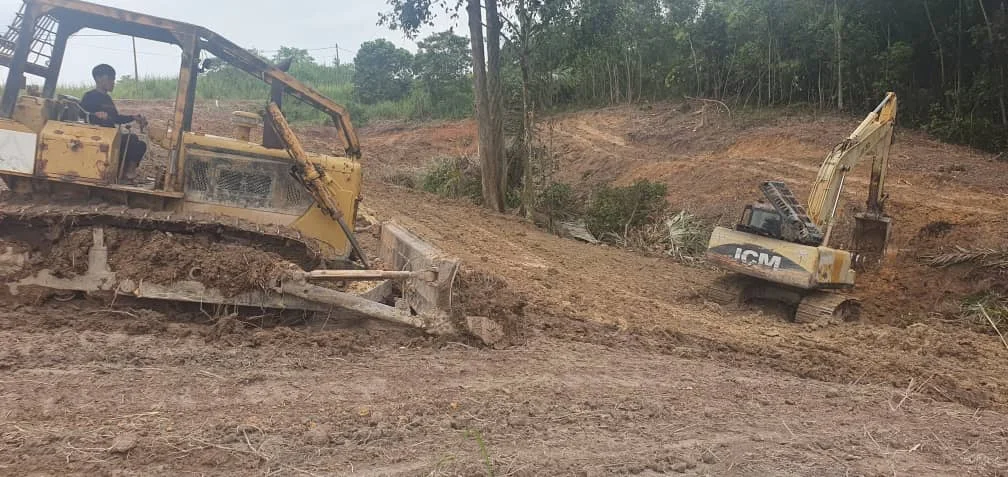
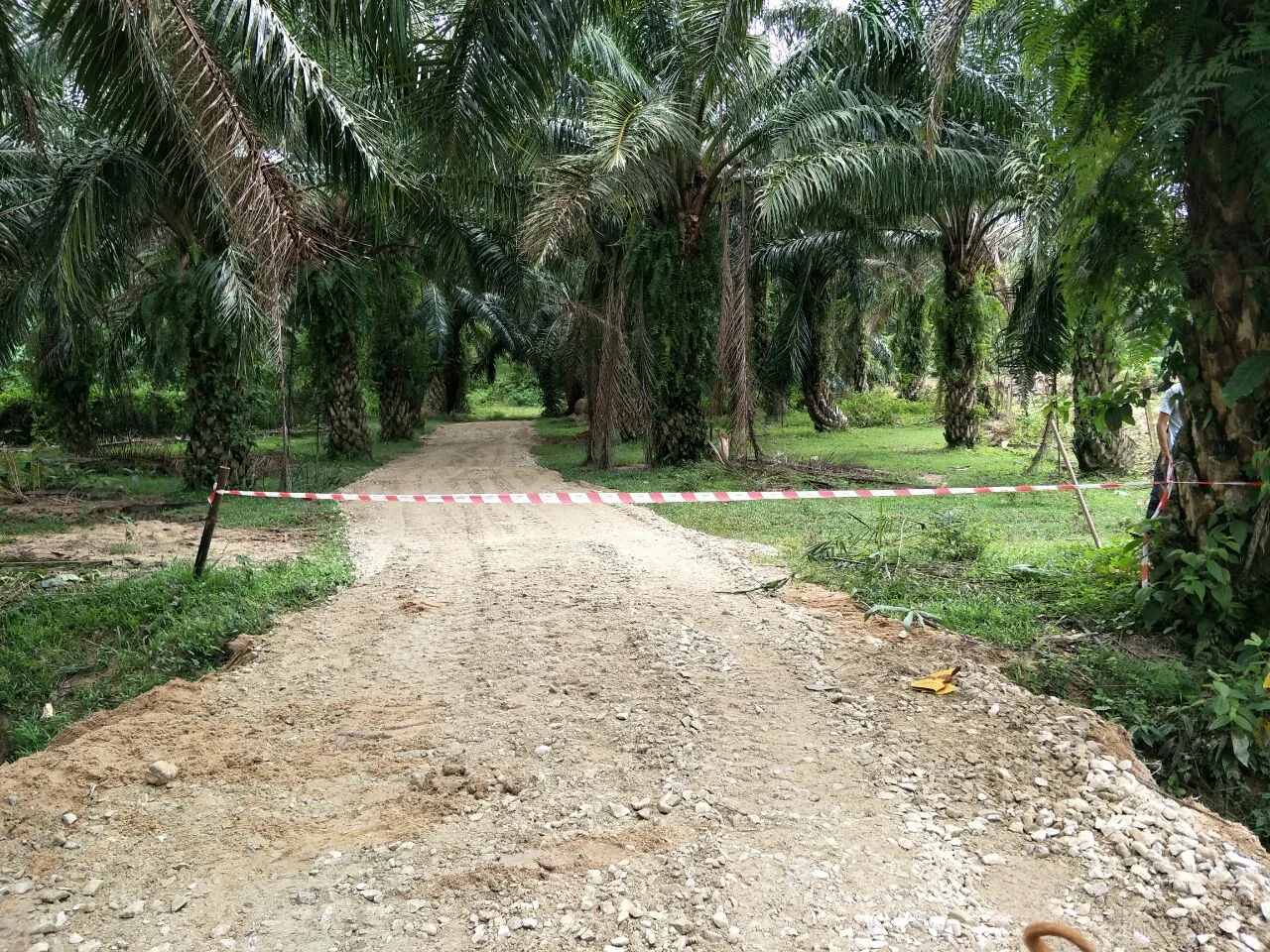
The plot was mature oil palm on a slope. Before a single post went in, a dozer and an excavator cut the platform, shaped the drainage and pushed a road in from the public tarmac. That road is the least romantic line in the budget and the one we would defend hardest.
Every delivery afterwards — steel, cement, roof sheets, tanks, panels — arrived on a lorry that could actually get to the build. Sites without proper access pay for it twice: once in double handling, and again in the weeks lost to rain the road cannot survive.
Month two: one structure, three jobs
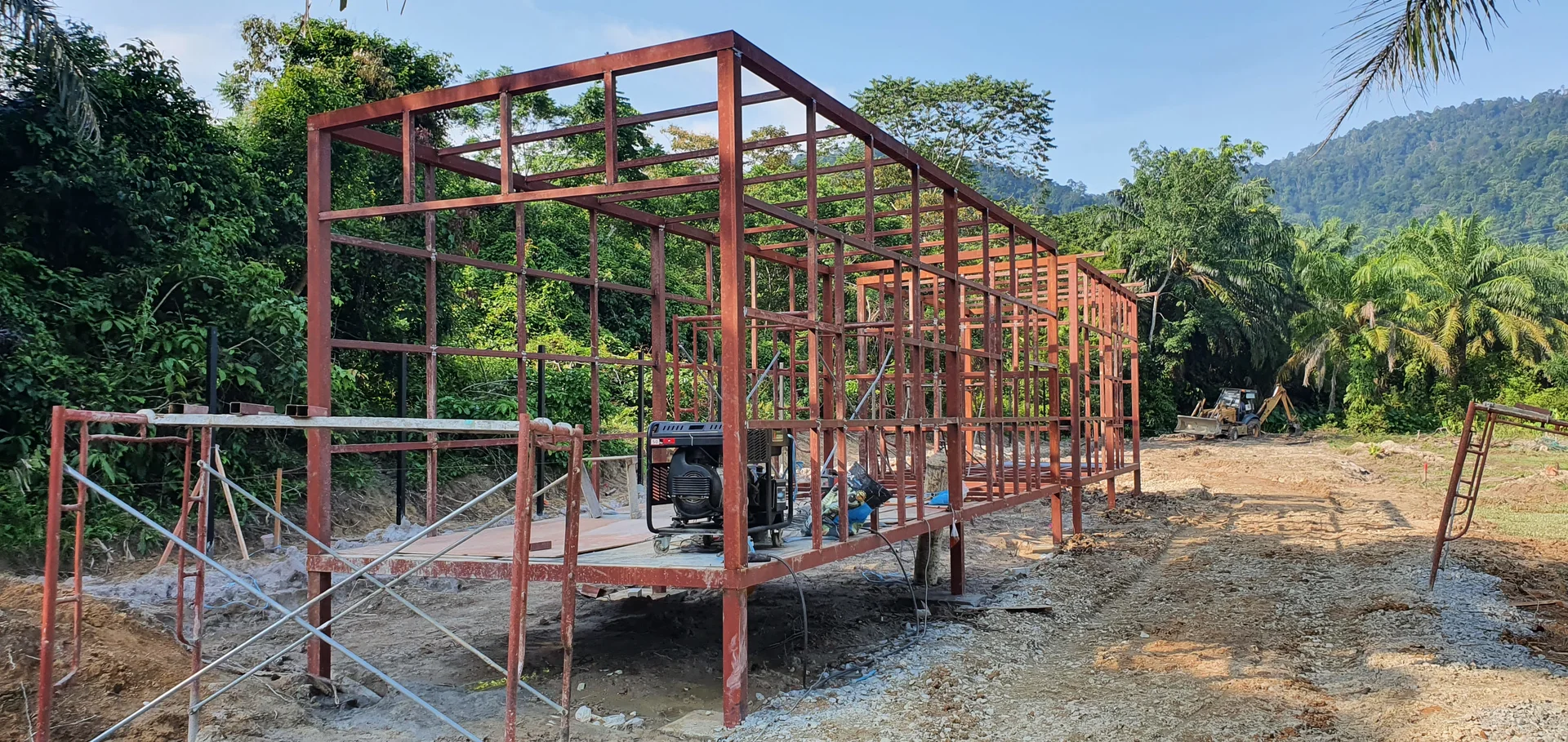
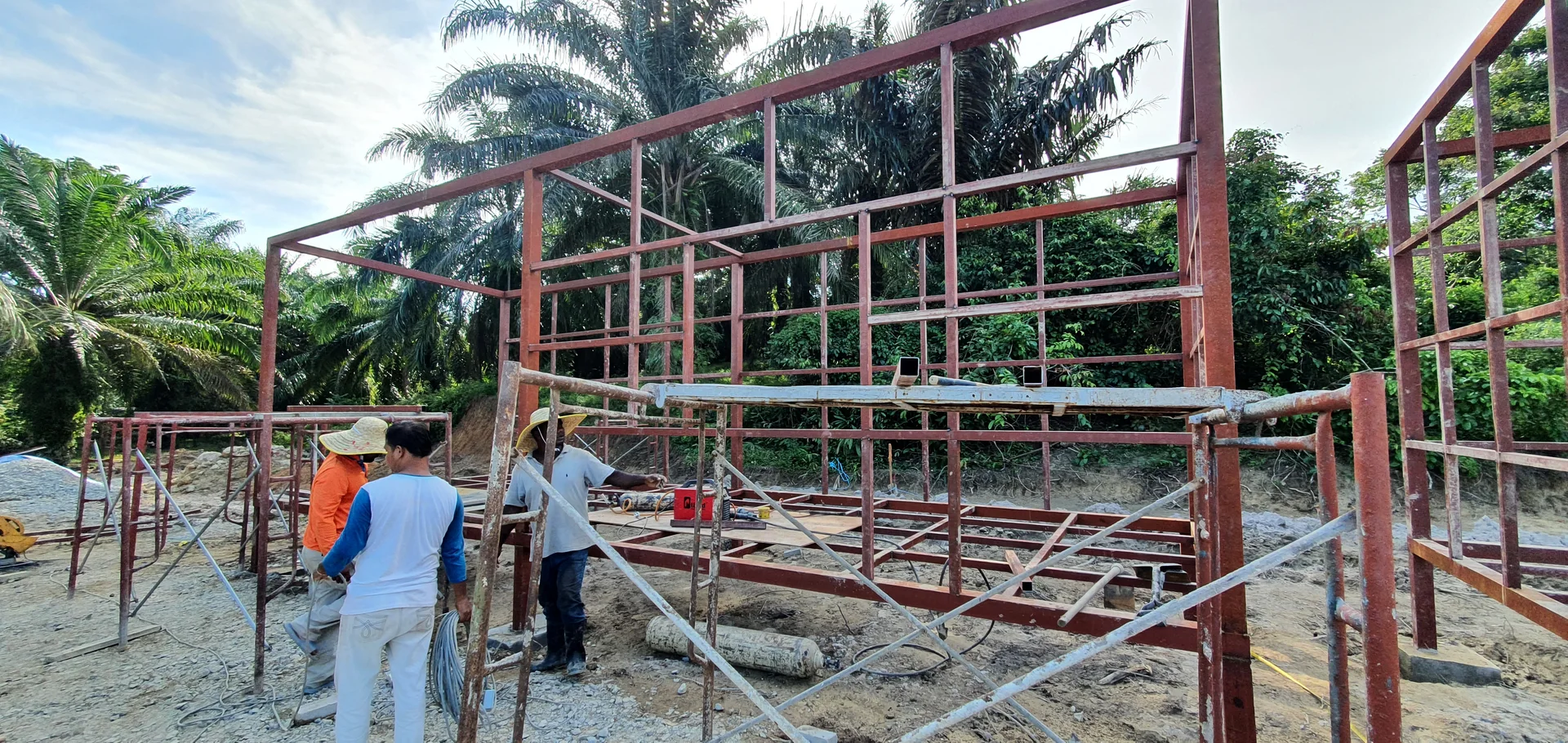
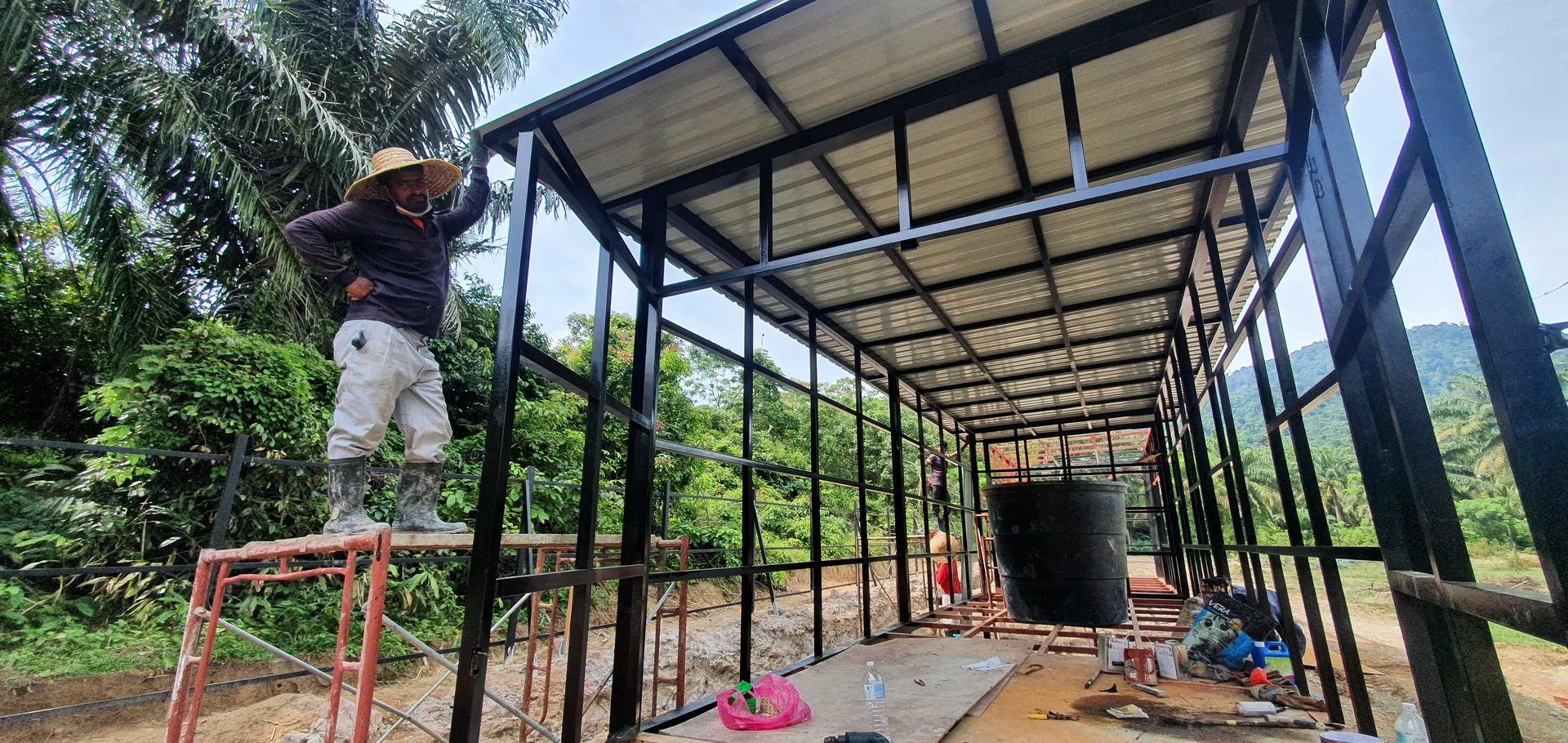
We put up a light steel frame on pad footings — fast to erect, immune to termites, and forgiving on an uneven platform. It was roofed before it was walled, which meant that from week six onward there was dry space to store materials, run tools and sleep.
That building is still in use. It began as a workshop and store, then became the utility core: batteries and inverter at one end, water tank and pump at the other, laundry in between. Designing it to be reused rather than demolished is worth roughly a month of programme on its own.
Months three and four: water, then power
Water came before electricity, deliberately. You can live by torchlight for a fortnight; you cannot live without washing. The river gave us a gravity-assisted supply into 10,000 litres of storage, with settlement and filtration before anything reached a tap. We wrote that system up separately in the water note.
Power followed: a 5 kW array sized against measured consumption rather than aspiration. Five kilowatts sounds modest to anyone used to grid figures, and it runs the fridge, fans, lights, pump, laptops, tools and washing machine without drama. What it will not do is air conditioning around the clock — and knowing that before you buy panels is the difference between a system that works and one you resent.
The generator on the slab in month two was a tool, not a plan. Anyone still running one in month twelve has a sizing problem, not a fuel problem.
Month five: cladding, and the point of livable
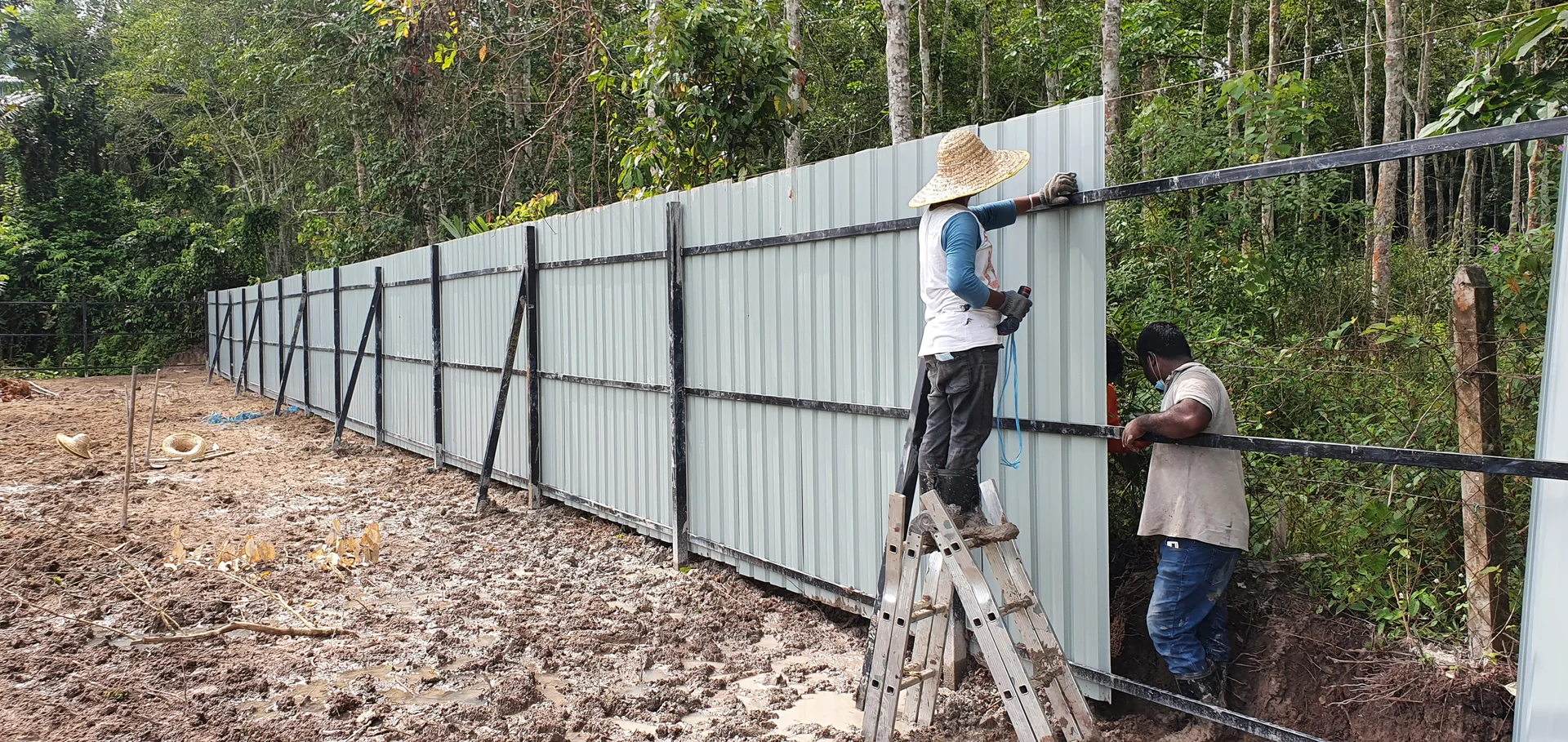
Walls went on last. By then the systems behind them were already running, so cladding was finishing work rather than a milestone everything else waited on.
Livable does not mean finished. The gardens were seedlings, the orchard was sticks, and the kitchen was rough. But the household had power, water, a dry bed and a road out — and from that point every improvement happened while living there instead of visiting.
What we would tell you to copy
Spend on access before architecture. A road and drainage that survive the monsoon pay back within the first three deliveries.
Build one structure that has three lives. Workshop, then store, then utility core. Nothing temporary, nothing wasted.
Size the system to measured loads. We metered what the household actually used before specifying a single panel.
Move on early. Living on site while it improves is the single biggest accelerator we know.
Want this sequence applied to your own plot?
Bring us your land — owned or still on the shortlist — and we'll tell you honestly what it can support and in what order to build it.
Book a consultation